When the Tenant Disputes the Square Footage: How Independent Verification Ends the Argument
Square footage disputes are settled by an independent third party measuring to the lease's BOMA standard. How clauses work and what makes a number hold.
Peter Stevenson
Founder & Principal
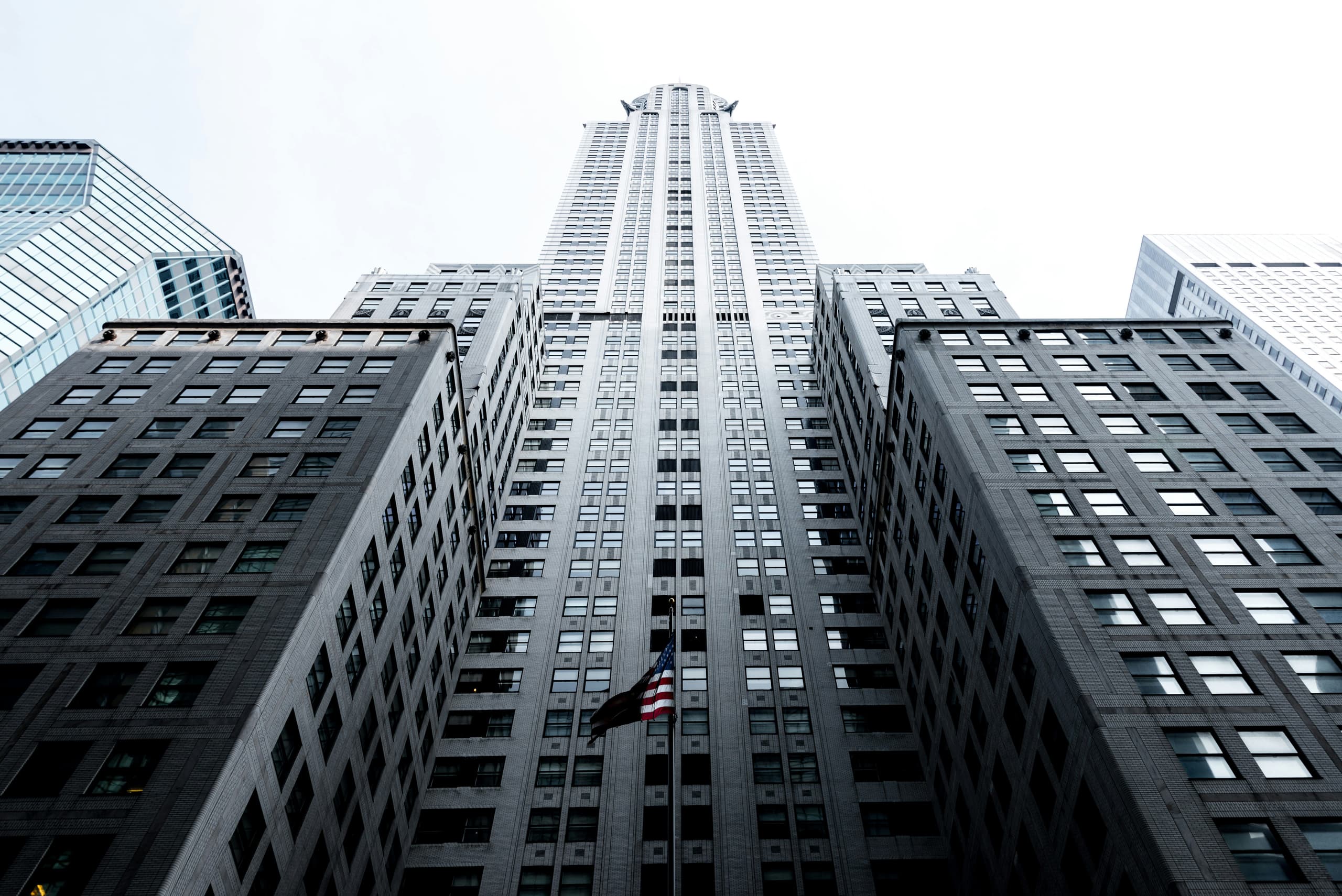

When a tenant disputes square footage, the resolution path is almost always the same: an independent third party, acceptable to both sides, measures the space to the BOMA standard the lease references, and the result binds. Most remeasurement clauses say exactly that, typically with fees shared and rent adjusted retroactively and prospectively if the number changes. The argument rarely turns on the law. It turns on whose measurement deserves to win.
Here’s how these disputes start, how the clause works, and what separates a number that ends the conversation from a number that extends it.
How Do Square Footage Disputes Start?
Three common origins, none requiring bad faith.
The lease numbers don’t reconcile internally.
A lease states 12,400 RSF and a 3.1% pro-rata share, and the 2 figures imply different building totals. Tenants (and especially their auditors) test this math. When it doesn’t work, every downstream charge becomes a question.
The tenant’s space planner measures.
At renewal or buildout, the tenant’s architect measures the suite and produces a different number than the lease. Both numbers may be honest; they were produced years apart, possibly under different standards, possibly against different boundaries.
A CAM review pulls the thread.
An operating expense reconciliation prompts a tenant to ask how their share was derived, which leads to the building total, which leads to the question of when anyone last measured the building. If the answer is “before the current standard existed,” the dispute has its footing.
How Does a Remeasurement Clause Work?
The well-drafted version specifies 4 things: the measurement standard (almost always a BOMA edition), who measures (a mutually acceptable independent professional), who pays (commonly shared), and what happens to rent and pro-rata share if the number moves (adjustment, often retroactive).
Both sides should notice what the clause makes decisive: the standard and the measurer. Whoever’s measurement is most credible under the named standard effectively wins the dispute before it starts.
What Makes a Measurement Credible Enough to End It?
Four properties, in ascending order of rarity.
Independence.
A number produced by either party’s staff starts the conversation discounted. Third-party measurement is the floor for credibility, which is why the clauses require it.
Field verification.
Numbers scaled from drawings describe intent. A dispute is precisely the moment to know what’s built: actual demising walls, actual common areas, laser-scanned and confirmed on site.
The current standard, applied whole-building.
A suite measured in isolation can’t produce a defensible load factor; if the corridor changed, every suite’s rentable area changed with it. Credible resolution measures the context, not just the contested suite.
Standards authority.
Edge cases decide disputes: dominant portion calls, penetration classifications, amenity allocations. SSI’s team co-authors the BOMA standards, and Peter Stevenson is one of only 2 official BOMA Standard interpreters internationally. When the interpretation question lands, our reading is the definitive one, which is the property you want in a number both sides agreed would bind.
12,500+
buildings measured over 40 years, accurate enough to stand up in court
Stevenson Systems
Can Owners Get Ahead of Disputes Entirely?
Mostly, yes. The disputes above share one root: numbers from different sources and eras that stopped reconciling. Owners who maintain one measured source of truth rarely have the conversation at all.
The preventive version looks like this: a whole-building measurement to the current BOMA standard, every lease drawing its area from that source, and every subsequent change (rollover, buildout, demising move) processed against it through Occupant Services, often within 30 minutes. The data lives in TruSpace™, so when a tenant’s auditor asks how a share was derived, the answer is a current drawing and a calculation, delivered the same day.
Current drawings backed by measurement data end the conversation fast. Usually before it becomes a conversation.
Frequently Asked Questions
How are commercial square footage disputes resolved?
Typically by an independent third party measuring to the BOMA standard named in the lease, with results binding on both parties and rent adjusted if the number changes.
What is a remeasurement clause?
A lease provision specifying the measurement standard, an independent measurer, fee allocation, and rent adjustment mechanics if remeasurement produces a different square footage.
Who pays for remeasurement in a dispute?
Whatever the clause says; shared fees are common. Absent a clause, parties usually negotiate a mutually acceptable measurer and split.
How do owners prevent square footage disputes?
Maintain one source of measured truth: a current whole-building measurement, leases that reference it, and updates processed after every building change so the numbers always reconcile.
The best dispute is the one your records ended in advance.
Talk to Stevenson Systems about independent verification.
Talk to SSIWritten by
Peter Stevenson
Founder & Principal
Co-authored the BOMA measurement standards. 40+ years leading SSI measurement practice and consulting across 12,500+ buildings.